

Retrofitting ageing public buildings is becoming an increasingly important facilities management strategy as institutions seek to reduce energy costs, improve building performance and extend the useful life of existing assets.
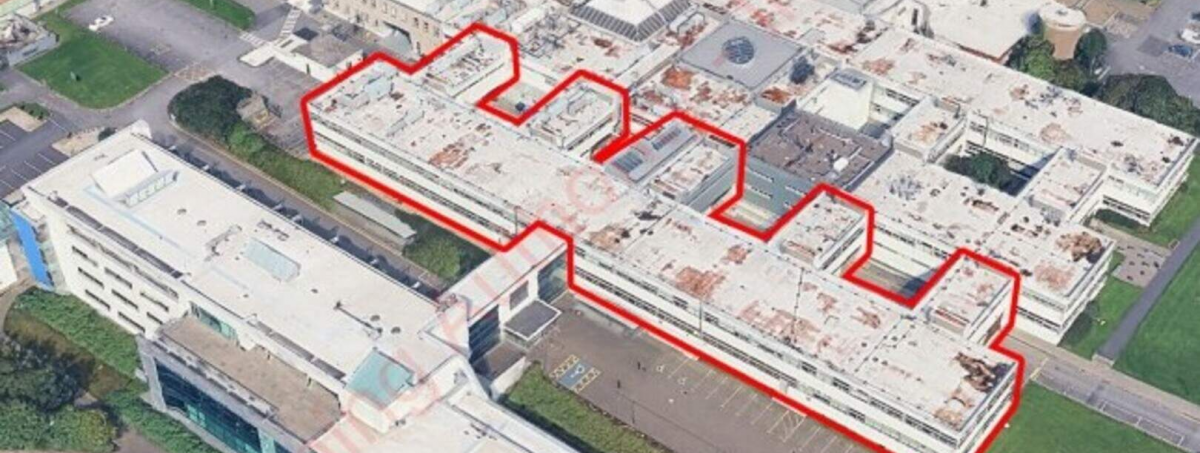
Atlantic Technological University (ATU) Galway has submitted a planning application to upgrade Block D, one of the original buildings on its Galway campus, with proposed works focused on improving energy efficiency and reducing operational costs. The two-storey building, which dates from 1972 and contains classrooms, meeting spaces and offices, is planned for extensive upgrades to its building fabric and services.
According to the Irish Independent report, the proposed project aims to achieve a 51% reduction in carbon emissions, while 90% of space heating would be supplied through renewable energy sources. The plans include improved insulation to the existing concrete walls, replacement windows with double glazing and upgrades to the building's roof, which has experienced leaks over its lifetime. The university is seeking to bring the building towards a B1 BER rating or better under the rating framework referenced in the planning application.
The project reflects a wider shift towards treating existing buildings as long-term assets rather than replacing them when performance declines. For facilities management teams, energy-efficiency retrofits can provide an opportunity to address several operational issues simultaneously, including heat loss, ageing building fabric, maintenance requirements and rising energy expenditure. The Sustainable Energy Authority of Ireland (SEAI) notes that BER assessments for non-domestic buildings provide an indication of energy performance and potential running costs, making energy performance an important consideration in managing existing estates.
The proposed improvements to Block D also demonstrate the relationship between building fabric and facilities performance. Insulation, glazing and roof upgrades can reduce heat loss and improve thermal comfort, while renewable heating systems can reduce dependence on fossil fuels. However, achieving these benefits over the building lifecycle will depend on effective maintenance, monitoring and management of the upgraded systems after construction.
For facilities management professionals, retrofit projects also highlight the importance of planned maintenance and lifecycle investment. Older institutional buildings can present accumulated maintenance challenges, from ageing roofs and windows to inefficient heating systems and deteriorating insulation. Addressing these issues through coordinated refurbishment can improve asset reliability while reducing the risk of reactive maintenance and unplanned expenditure.
The project also aligns with ATU's wider sustainability objectives. The university's Sustainability Impact Report outlines its ongoing focus on environmental performance and climate action, while earlier ATU documentation has identified energy efficiency and decarbonisation upgrades as priorities across its Galway-Mayo estate. This places the proposed Block D works within a broader approach to improving the environmental performance of university infrastructure.
The timing is also significant as Ireland's building energy-rating framework has changed. Since 24 May 2026, the BER system for non-domestic buildings has moved to a simplified A0-to-G scale, replacing the previous subcategories such as B1, B2 and B3. The SEAI says the revised system is intended to improve comparability of building energy performance and provide additional information on energy use, renewable energy contribution and lifecycle carbon.
For the sector, the lesson is clear: managing ageing public buildings effectively requires investment that connects energy performance with lifecycle maintenance and operational management. ATU Galway's proposed Block D retrofit demonstrates how targeted upgrades to existing assets can support lower running costs, improved building performance and longer-term sustainability across institutional estates.
Source: Irish Independent / ATU Galway / SEAI









.png)