

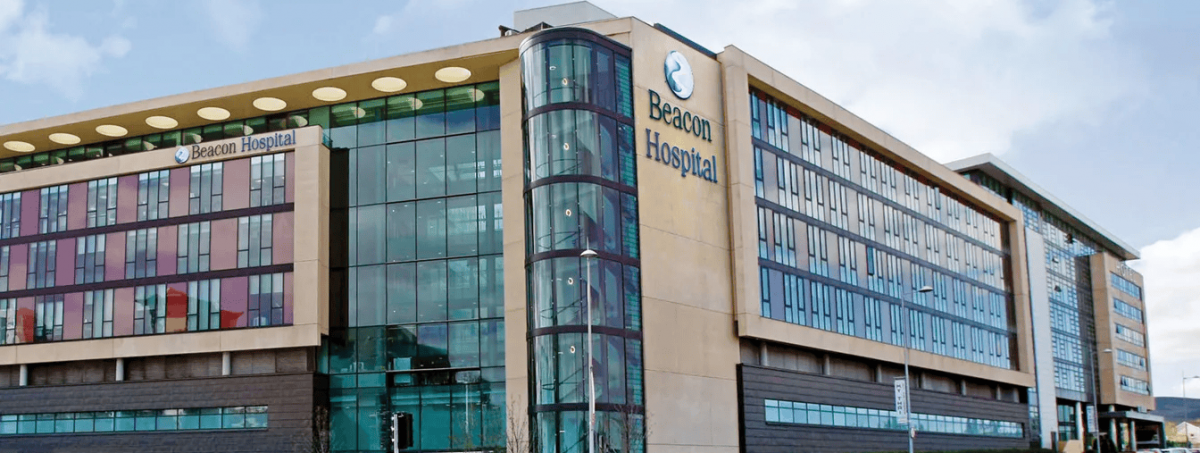
Healthcare infrastructure investment creates opportunities that extend well beyond construction and clinical equipment. The long-term performance of a hospital also depends on the facilities, building systems and specialist services that support safe and reliable patient care. In its case study, Macquarie Asset Management outlines its investment in Beacon Hospital in South Dublin, describing how its support is helping the hospital expand clinical capacity while strengthening governance, risk management and sustainability practices. For the facilities management sector, the development highlights the importance of treating FM as an integral part of healthcare infrastructure planning rather than a service considered only after construction is complete.
The wider Irish healthcare environment provides a clear reason for this investment. The OECD and European Observatory's Country Health Profile 2025 records 2.9 hospital beds per 1,000 people in Ireland in 2023, compared with the EU average of 5.1. The report also identifies high occupancy rates and limited spare capacity as challenges for the country's acute healthcare system. These conditions increase the importance of making existing and new facilities work efficiently, with reliable building services and maintenance programmes supporting the continuity of clinical operations.
Beacon's development demonstrates the practical requirements involved. Macquarie's case study describes plans for approximately 70 additional inpatient beds, a new Emergency Department and an oncology unit, alongside investment in existing clinical infrastructure. In its 24 September 2026 construction announcement, Beacon Hospital confirmed that its €100 million, eight-storey extension had reached the topping-out stage. The hospital said the completed project would add 70 inpatient beds, an Emergency Department, an Oncology Day Unit and four additional day theatres, increasing overall patient capacity by 40%. Beacon also confirmed that construction is taking place alongside its operational hospital, requiring close coordination to maintain safe, uninterrupted patient care.
That operating environment places facilities management at the centre of successful project delivery. Hospitals rely on interconnected systems covering HVAC, ventilation, filtration, electrical distribution, water services, medical gases, fire safety and environmental monitoring. New clinical areas must be integrated with existing infrastructure, while commissioning, maintenance and compliance processes need to support the requirements of different departments. The challenge is not simply to deliver additional floor space, but to ensure that every new facility can operate reliably without compromising the performance of the wider hospital. This is where early FM involvement, effective asset information and coordinated lifecycle planning can deliver lasting value.
The future demand for healthcare infrastructure reinforces the need for this expertise. The ESRI's 2025 projections for public acute hospitals estimate that inpatient bed capacity will need to increase by at least 40% by 2040, primarily reflecting population growth and ageing. While this forecast applies to public acute hospitals, it illustrates the scale of long-term planning facing Ireland's healthcare system. Beacon's expansion is one example of investment adding specialist capacity, but the wider lesson for healthcare providers is that successful infrastructure depends on more than the building itself. Facilities management must help translate capital investment into safe, efficient and resilient environments that can support patients and healthcare professionals over the long term.











.png)