

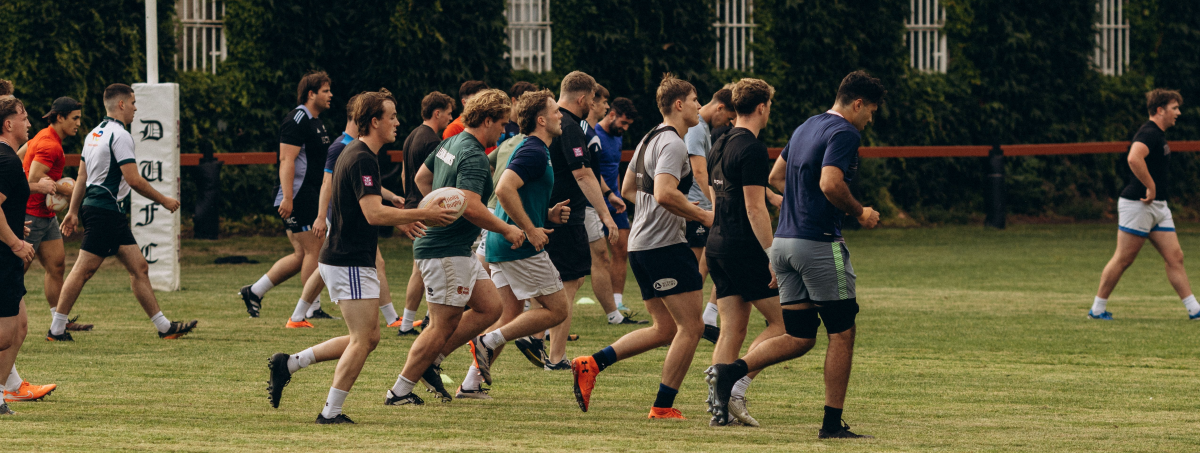
Irish local authorities and sports facility operators have an opportunity to deliver greater community value by making existing spaces work harder, rather than relying solely on new construction. The upcoming Active Places, Active People National Conference in Dublin will explore how better design, planning and management can help sports and leisure facilities respond to changing needs while encouraging more people to participate.
Taking place at Aviva Stadium on 12 November, the conference will bring together local government, architecture, sport and community development professionals. As reported by Sport for Business, Danish development consultant Ola Mattsson and architect Rebecca Halstead are among the first announced speakers, bringing international perspectives on facility renewal and inclusive public spaces.
For facilities management teams, Mattsson’s experience working with municipalities, sports organisations and architects offers a practical starting point. His work focuses on adapting existing sports and leisure infrastructure to changing patterns of activity and community life. This approach challenges the assumption that meeting growing demand always requires additional floor space, highlighting instead the potential of flexible layouts, better space utilisation and facilities designed around how people actually use them.
The commercial implications are significant for public-sector asset owners. Reviewing how facilities are used, identifying underutilised areas and prioritising targeted improvements can help organisations get more from existing buildings and infrastructure. When refurbishment and maintenance decisions are aligned with community needs, investment can support participation while helping manage capital and operating costs. Early consideration of accessibility and inclusive design can also reduce the need for costly adaptations later.
Halstead, founder of Copenhagen-based Echo Architects and Northern Europe Representative for RIBA Europe, will bring a complementary perspective on designing spaces that encourage participation among girls and young women. Her work highlights how layout, accessibility and the wider public environment can influence whether people feel welcome and able to take part. For facility operators, these considerations can inform decisions about entrances, circulation, changing areas, visibility and how spaces connect with surrounding neighbourhoods.
The official conference programme also includes discussions on participation trends, community sport and activating existing places. For local authorities and facility managers, the event provides an opportunity to consider how operational planning, investment priorities and collaboration with community organisations can deliver broader benefits from sports infrastructure.
Organisations can turn these ideas into action by reviewing occupancy and usage data, consulting current and potential users, and assessing whether maintenance or targeted redesign could improve access and utilisation. Clear measures of participation, operating costs and facility performance can then help guide future investment decisions.
For the sector, the lesson is direct: effective facilities management is about maximising the value of places people already have. By combining smarter space planning, inclusive design and evidence-led investment, Irish organisations can create more welcoming facilities, strengthen community participation and make public assets work harder for everyone.
Source: Sport for Business / Dublin City Sport & Wellbeing Partnership





.png)